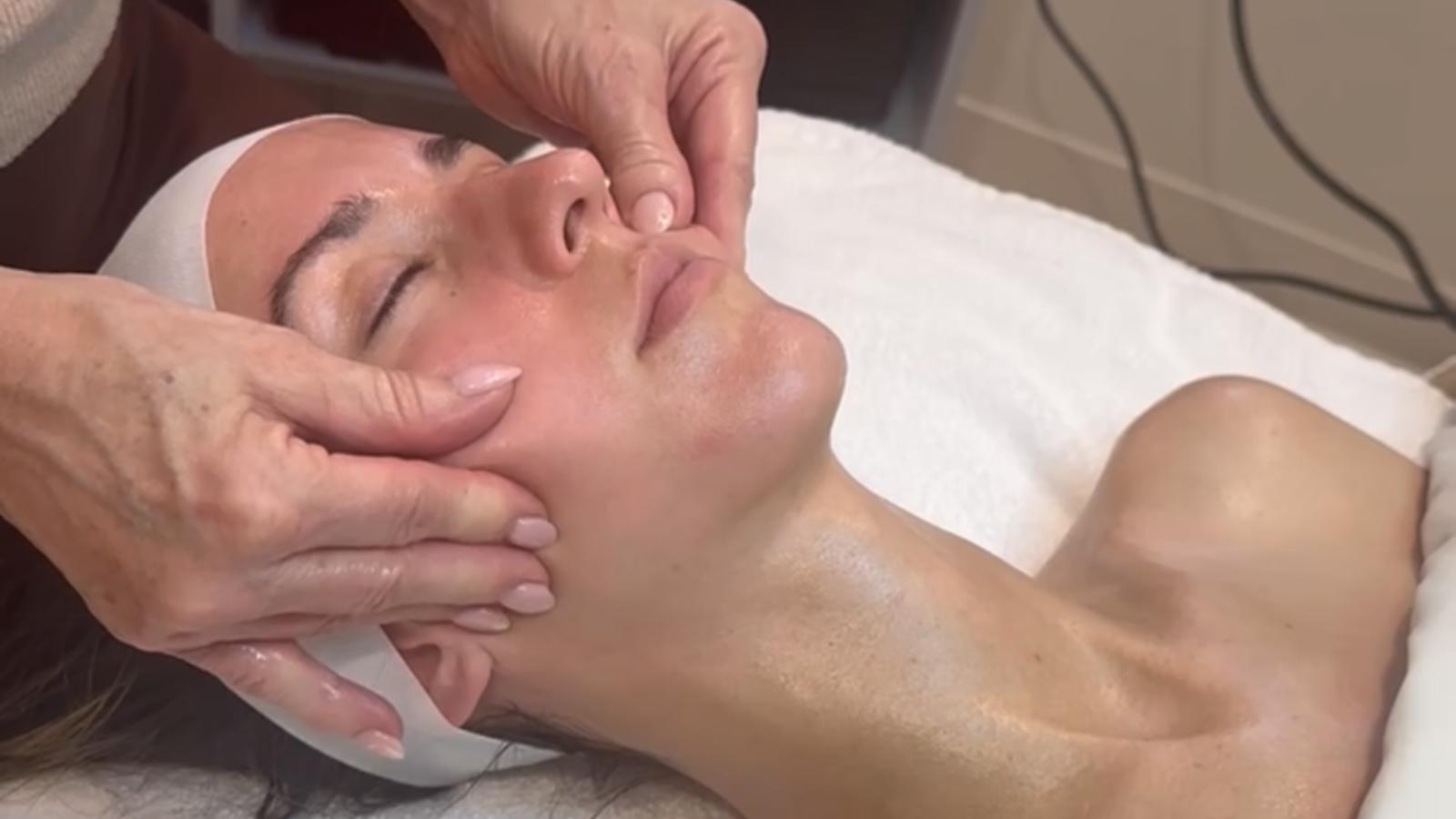
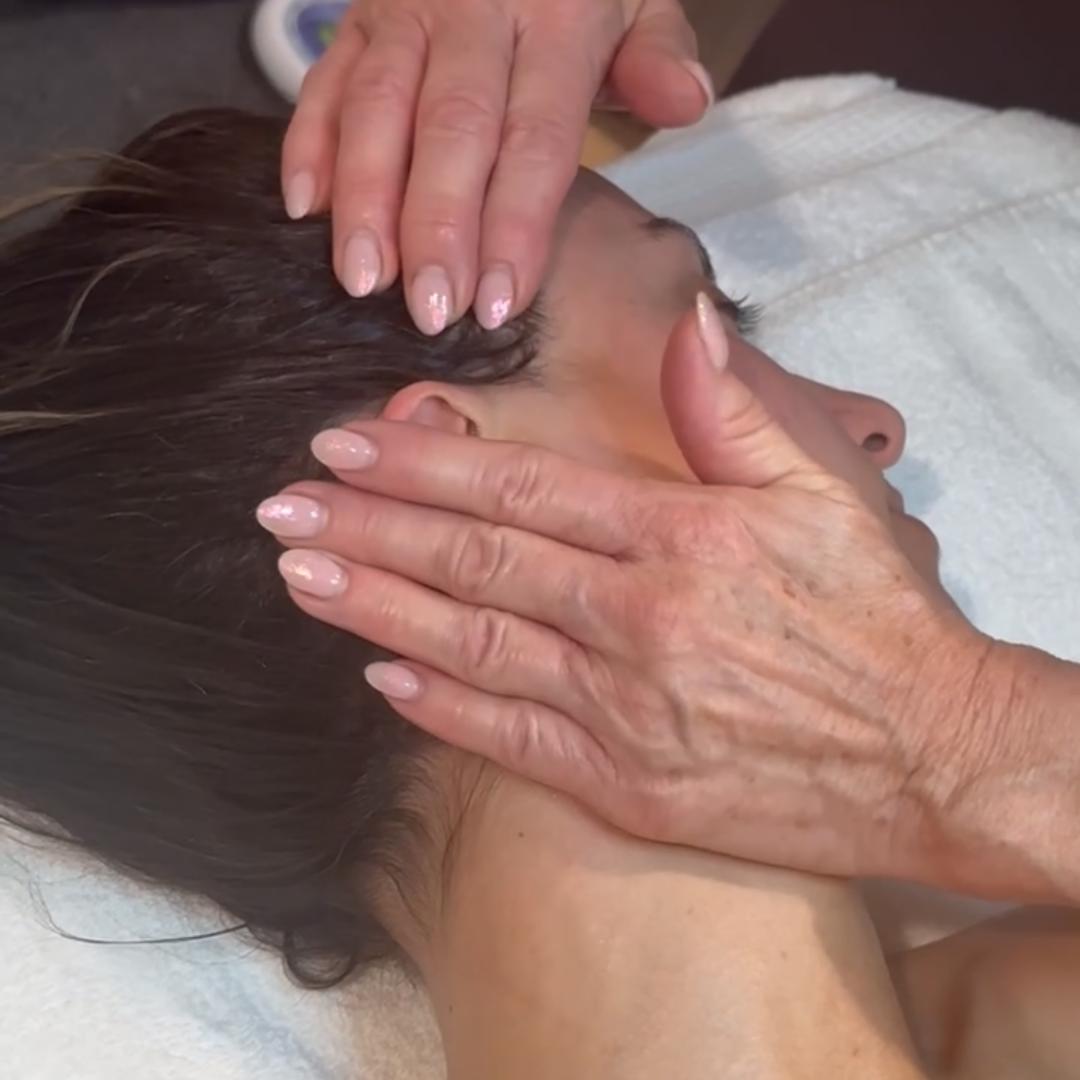
Winter has a way of slowing everything down. Our days feel quieter, our bodies move less, and we naturally turn inward. While this slower pace can feel comforting, it can also create subtle stagnation within the body. The lymphatic system, which plays a vital role in detoxification and immune support, is especially sensitive to these seasonal shifts. With less movement, reduced circulation, and lower hydration, lymphatic flow often slows during the winter months. Because this system relies on gentle movement and proper fluid balance to function well, intentional support becomes essential. Supporting lymphatic drainage in winter helps maintain balance within the body and encourages healthier, clearer skin.
The Role of the Lymphatic System
The lymphatic system is one of the body’s most important yet often overlooked systems. It acts as a natural drainage and detoxification pathway, moving lymph, a clear fluid that carries waste, excess fluid, toxins, and immune cells, throughout the body so they can be filtered and eliminated.
Unlike the circulatory system, the lymphatic system does not have a pump. It depends on movement, breath, hydration, and gentle stimulation to keep fluid moving efficiently. When lymph flow slows, the body has a harder time clearing what it no longer needs.
This stagnation can show up in subtle but noticeable ways, such as facial puffiness, dull or congested skin, a feeling of heaviness in the body, low energy, or increased inflammation. Over time, sluggish lymphatic flow can impact both how we feel internally and how our skin responds on the surface.
Why Winter Slows the Lymphatic System
Winter creates a unique set of challenges for the lymphatic system. Cold temperatures, lower activity, and seasonal stress can all contribute to slower lymphatic drainage, making it easier for fluid and waste to accumulate.
Winter naturally creates conditions that encourage stagnation:
Less movement
Colder weather often means fewer walks, less stretching, and more time spent sitting. Since movement is one of the primary drivers of lymphatic drainage, reduced activity can slow fluid circulation.
Lower hydration
We tend to drink less water in winter, even though indoor heat and dry air increase fluid loss. When the body is underhydrated, lymph becomes thicker and harder to move efficiently.
Cold temperatures
Blood vessels constrict in response to cold, which limits circulation and reduces the body’s natural ability to support lymphatic drainage.
Stress and immune load
Winter often brings higher stress, disrupted routines, and more immune challenges. All of these factors place extra demand on the lymphatic system and can contribute to fluid buildup and stagnation.
Understanding these seasonal factors shows why intentional care and supportive practices are so important in winter, helping the lymphatic system maintain balance and keep the body and skin feeling lighter and healthier.
What This Means for Your Skin
The face contains a dense network of lymphatic vessels, particularly around the eyes, jawline, neck, and ears. When lymph flow slows, these vessels cannot move fluid and waste efficiently, and these areas are often the first to show signs of congestion.
You may notice lingering morning puffiness, a softer jawline, increased breakouts, or skin that looks dull and inflamed. These changes are not caused by poor skincare, but by the buildup of fluid and toxins that the lymphatic system is unable to clear effectively.
Supporting lymphatic drainage encourages healthy flow through these vessels, which can reduce swelling, improve circulation, and leave the skin looking clearer, firmer, and more refreshed.
How to Support Lymphatic Flow in the Winter
Supporting lymphatic drainage during winter is less about doing more and more about being intentional with gentle practices that encourage circulation and detoxification. Even small daily habits can make a meaningful difference:
Gentle daily movement
Walking, stretching, or light exercise helps pump lymph through the vessels.
Deep diaphragmatic breathing
Breath creates natural pressure changes that encourage lymph movement.
Adequate hydration
Drinking water and including mineral-rich fluids keeps lymph flowing smoothly.
Dry brushing or gentle body brushing
Stimulates circulation and supports lymph drainage.
Facial massage and lymphatic techniques
Helps clear congestion and supports fluid movement in delicate facial vessels.
By incorporating these gentle habits, you give your lymphatic system the tools it needs to stay balanced and your skin the support it deserves.